Commercial Property & Rooftop Solutions
Rooftop & Commercial Property Shade Systems for Amenity Spaces
Wind-rated shade solutions for rooftop terraces, amenity decks, common areas, and mixed-use developments. Engineered for elevated installations where standard umbrellas fail.
Request a Property ConsultationRooftop terraces, amenity decks, and elevated common areas present a fundamentally different shade challenge than ground-level patios. Wind speeds at building height are significantly higher than at grade — typically 1.5 to 2.5 times stronger due to the speed-up effect over parapets and building edges. Add the channeling effects between adjacent towers in urban settings, and the wind loads on a rooftop shade system can exceed anything a standard retail umbrella is designed to handle. The result is predictable: bent frames, torn canopies, and units that become projectiles in gusts that barely register at street level.
Beyond wind, rooftop installations face structural constraints that ground-level sites do not. Waterproof membranes cannot be penetrated without voiding warranties and risking leaks into occupied floors below. Weight restrictions on podium slabs limit heavy concrete footings. And the aesthetic expectations of premium amenity spaces demand systems that look like deliberate architectural choices, not afterthoughts. CSC Shade addresses all of these constraints with wind-tunnel certified commercial parasols and freestanding retractable awning systems that require zero structural drilling.
Every system in our commercial range carries independent wind-tunnel certification — not marketing claims based on theoretical calculations, but verified performance data from controlled aerodynamic testing. Glatz F-Line parasols are rated up to 115 km/h, and select permanently anchored Palazzo Royal configurations reach 120 km/h. FIM Flexy freestanding awnings anchor with weighted bases or planter integration, delivering robust shade coverage without touching the membrane. Read our wind-rated shade specification guide for detailed comparison data.
For property managers and developers evaluating outdoor amenity investments, commercial-grade shade delivers measurable returns: higher tenant satisfaction scores, improved lease-up velocity, and reduced common-area maintenance costs compared to the cycle of replacing failed consumer-grade units every one to two seasons. Browse the full commercial cantilever collection or download specification packages for your next project.
Rooftop Wind Challenges
- Wind speeds at rooftop height are typically 1.5 to 2.5 times higher than at ground level due to the aerodynamic speed-up effect over building edges and parapets.
- Urban environments create channeling effects between towers, producing sudden lateral gusts that exceed published regional wind data for open terrain.
- Most municipal building codes require wind-load documentation for any structure installed on a rooftop — consumer-grade umbrellas cannot provide this.
- Wind-tunnel certified systems (Glatz F-Line up to 115 km/h, Palazzo Royal up to 120 km/h) are the only reliable specification for elevated installations.
- Operational protocols should mandate canopy closure at sustained winds above 50 km/h, even with certified systems, to protect long-term component life.
Anchoring Without Structural Drilling
- Freestanding systems (FIM Flexy, Flexy Twin, Flexy Zen) install entirely on the surface using weighted mobile bases, ballast trays, or integrated planter anchoring.
- Zero membrane penetration preserves rooftop waterproofing warranties and eliminates leak risk into occupied floors below.
- Ballast base systems can be configured with steel, granite, or concrete weights from 120 kg to 430+ kg depending on wind exposure and system size.
- Planter integration conceals anchoring within landscaping elements, maintaining the clean aesthetic expected on premium amenity decks.
- Where structural slab bolting is feasible, flush-mount in-ground sleeves and heavy-duty deck plates provide maximum stability with minimal visual footprint.
Property Value & Tenant Amenity
- Usable outdoor amenity space is a top-three decision factor for commercial tenants and residential buyers in urban markets.
- Well-shaded rooftop terraces and amenity decks directly increase effective leasable area and command premium pricing.
- Tenant satisfaction surveys consistently rank outdoor common areas among the highest-valued building amenities — but only when they are comfortably shaded.
- Commercial-grade shade systems project quality and permanence, reinforcing the property's positioning against competitors with disposable retail alternatives.
- Seasonal extension with shade (and optional integrated heating and lighting) maximizes the return on the capital invested in building outdoor amenity infrastructure.
Strata & Multi-Residential
- Common-area shade installations require strata council approval — freestanding systems that avoid building modifications streamline the approval process significantly.
- No engineering reviews or waterproofing warranty concerns when the system does not penetrate the membrane or attach to the building structure.
- Low-maintenance commercial construction reduces ongoing strata maintenance obligations and avoids the annual replacement costs of consumer-grade alternatives.
- Shared-cost justification is straightforward when the system serves all residents and demonstrably increases property value and usability of common areas.
- Modular components allow individual repairs without replacing the full unit — strata maintenance budgets benefit from predictable, low per-incident service costs.
By Application
The right system for your property
Rooftop Terraces & Lounges
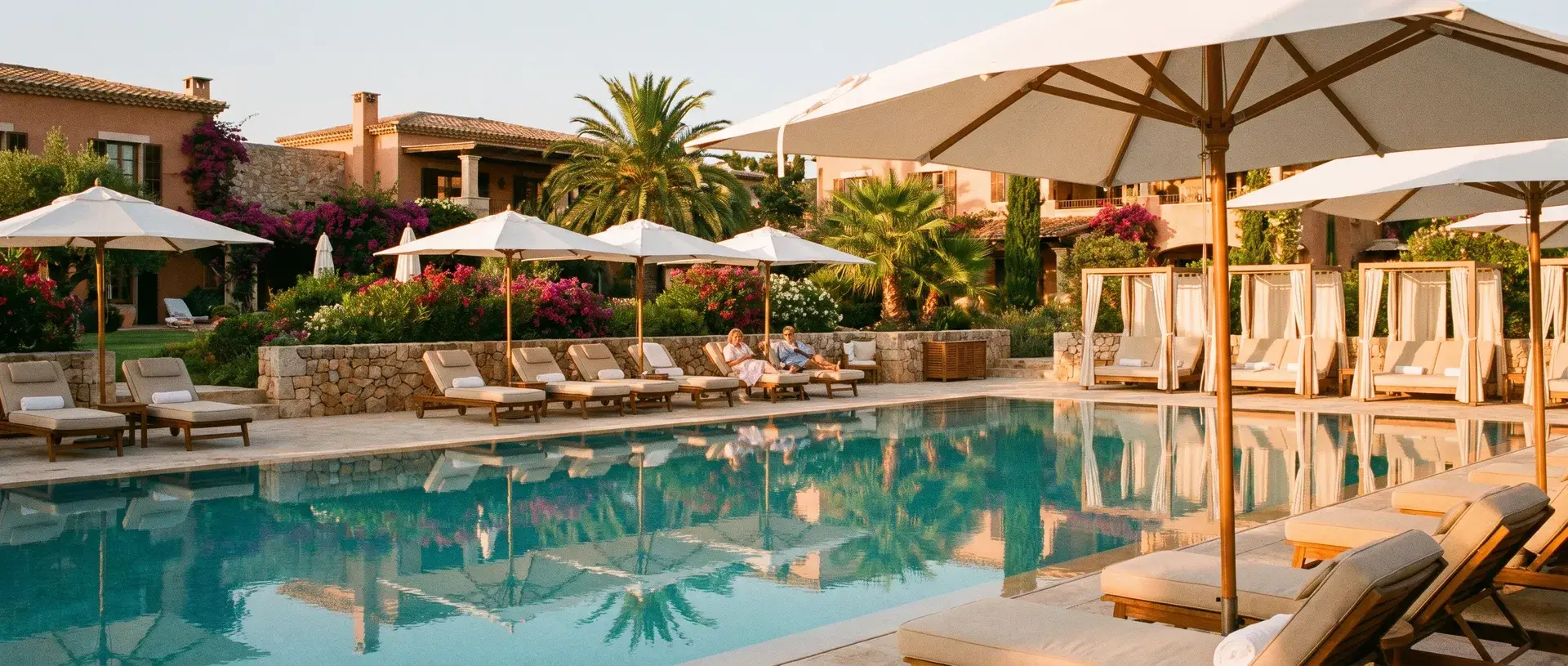
Elevated terraces face dramatically higher wind speeds and unpredictable gusts compared to ground-level patios. FIM Flexy and Flexy Twin freestanding systems anchor with weighted bases or planter integration, avoiding any penetration of the rooftop membrane. Glatz Fortello Pro cantilevers deliver wind-tunnel certified stability for exposed terrace layouts where conventional shade fails within weeks.
Recommended: FIM Flexy · FIM Flexy Twin · Glatz Fortello Pro
Amenity Decks & Pool Areas
Amenity decks are the competitive differentiator for Class A commercial properties. Large-format Palazzo Royal parasols and Sombrano S+ cantilevers shade extensive pool and lounge areas without obstructing sightlines. Marine-grade construction handles chlorine exposure and seasonal weather cycles without the corrosion that destroys consumer-grade units.
Recommended: Glatz Palazzo Royal · Glatz Sombrano S+
Mixed-Use Retail & F&B
Ground-floor retail and food-and-beverage tenants in mixed-use developments need shade that complements the architectural language of the building. Centre-pole Fortino Pro and Castello Pro parasols integrate cleanly with streetscape design, close telescopically above set tables, and carry wind ratings suitable for urban canyon conditions where wind channeling amplifies gust speeds.
Recommended: Glatz Fortino Pro · Glatz Castello Pro
Strata Common Areas
Strata and multi-residential common areas require shade systems that survive shared-use conditions with minimal maintenance intervention. FIM Flexy Zen and Glatz Fortano deliver clean cantilever coverage without centre poles that obstruct furniture layouts. Freestanding installation means no building modifications, no strata engineering reviews, and no waterproofing risk to common-element membranes.
Recommended: FIM Flexy Zen · Glatz Fortano
Frequently Asked Questions
Common questions from property managers and developers
Can shade systems be installed on rooftops without penetrating the membrane?
Yes. All FIM Flexy freestanding awning systems and many Glatz parasol configurations are designed for surface-mounted installation using weighted bases, ballast plates, or integrated planter anchoring. These systems deliver full wind-rated performance without drilling, bolting, or otherwise compromising the rooftop membrane or waterproofing layer. This is critical for strata properties and commercial buildings where membrane warranties void on penetration.
What wind ratings are required for rooftop installations?
Wind speeds at rooftop level are typically 1.5 to 2.5 times higher than at ground level due to the speed-up effect over building edges and parapets. For most Canadian rooftop installations, specifying systems rated to at least 80 km/h sustained wind is prudent. Glatz F-Line parasols are wind-tunnel certified up to 115 km/h, and select permanently anchored Palazzo Royal configurations reach 120 km/h. Your property's exposure category and local building code should guide the final specification.
How do strata councils typically approve shade system purchases?
Strata councils generally require a formal proposal covering cost, installation method, maintenance obligations, and confirmation that no common-element modifications are needed. Freestanding systems that avoid membrane penetration significantly simplify the approval process because they do not trigger engineering reviews or waterproofing warranty concerns. CSC Shade provides specification documents and installation method statements that strata property managers can include directly in their council submission packages.
What maintenance is required for commercial property shade systems?
Commercial-grade Glatz and FIM systems require minimal ongoing maintenance. Seasonal cleaning of the canopy fabric with mild soap and water, periodic inspection of hardware and moving parts, and lubrication of mechanical components once or twice per season is typically sufficient. The modular construction means individual components like ribs, hubs, or canopy panels can be replaced on-site in under 10 minutes without specialized tools, avoiding full unit replacement.
Can shade systems be removed seasonally for winter storage?
Yes. Both Glatz parasols and FIM Flexy systems are designed for seasonal deployment. Canopy fabric can be removed and stored flat, and entire parasol assemblies can be disassembled and stored in a building's mechanical or storage rooms. For properties that prefer to leave frames in place year-round, heavy-duty protective covers are available. Seasonal removal extends the lifespan of canopy fabric and reduces exposure to freeze-thaw cycles.
What are typical lead times for multi-unit property installations?
Standard configurations stocked in our Canadian warehouse ship within 5 to 10 business days. Custom fabric colours, branded canopies, or large multi-unit orders typically require 8 to 14 weeks from order confirmation, depending on model and configuration. CSC Shade coordinates phased deliveries for properties with multiple zones or buildings to align with construction and landscaping schedules.
For Property Managers & Developers
Technical specifications and anchoring options for elevated installations
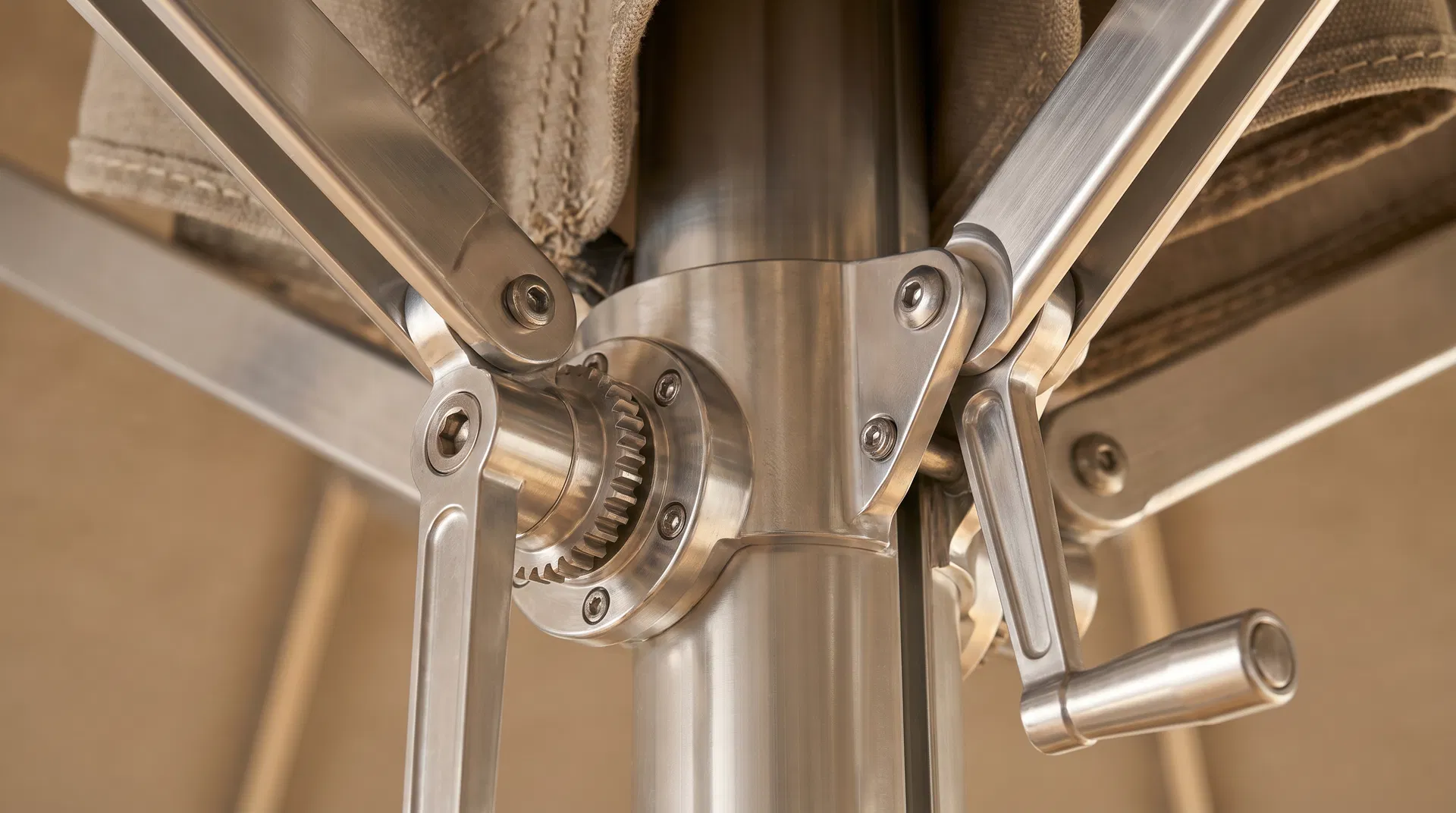
Wind-load data, mounting details, fabric performance specs, and anchoring method statements for rooftop and podium-level installations.
Browse SpecificationsCommercial Property Shade Across Canada
From high-rise amenity decks in downtown Toronto to strata rooftops in Vancouver, we supply wind-rated shade to commercial properties in every major Canadian market.
READY TO START?
Talk to a shade specialist
Not sure which model fits your space? We'll help you choose.